
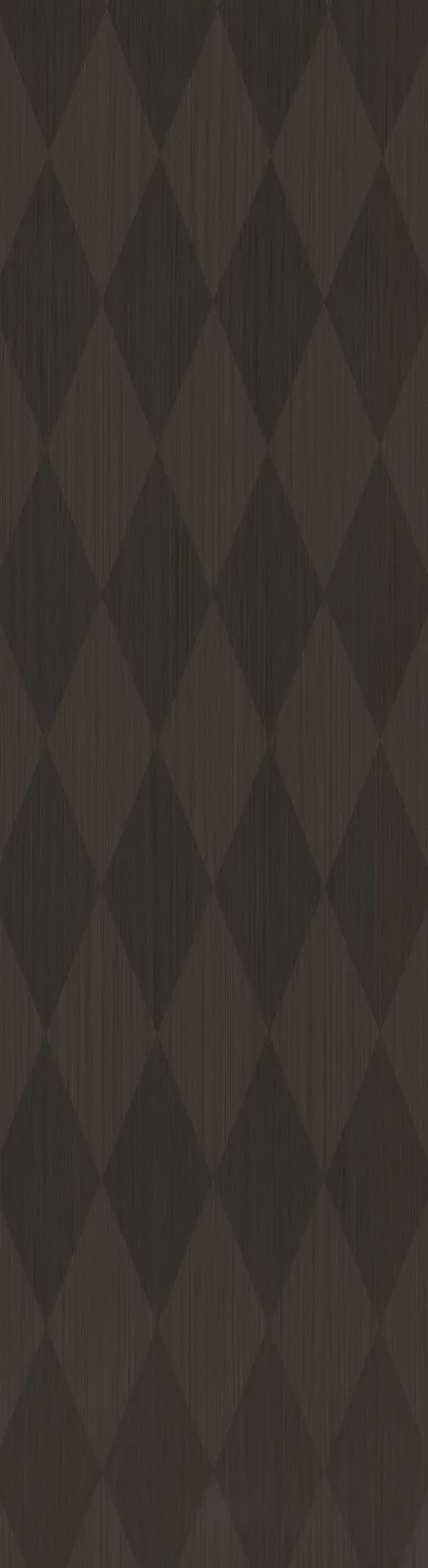
Piero Lissoni
Created by the Art Director of ALPI.
Learn more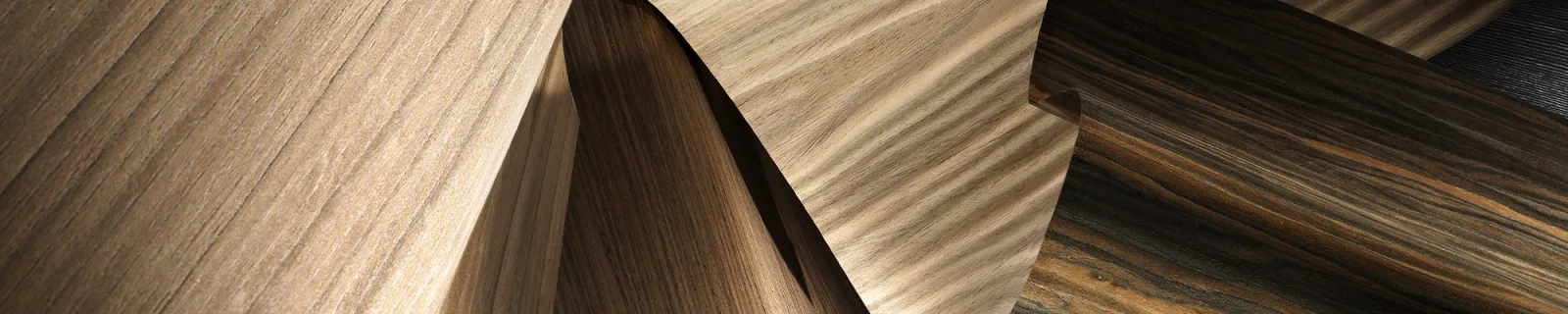
Veneers
ALPIlignum veneer is a multi-laminated, sustainable real-wood veneer to the ISO 18775 standard.
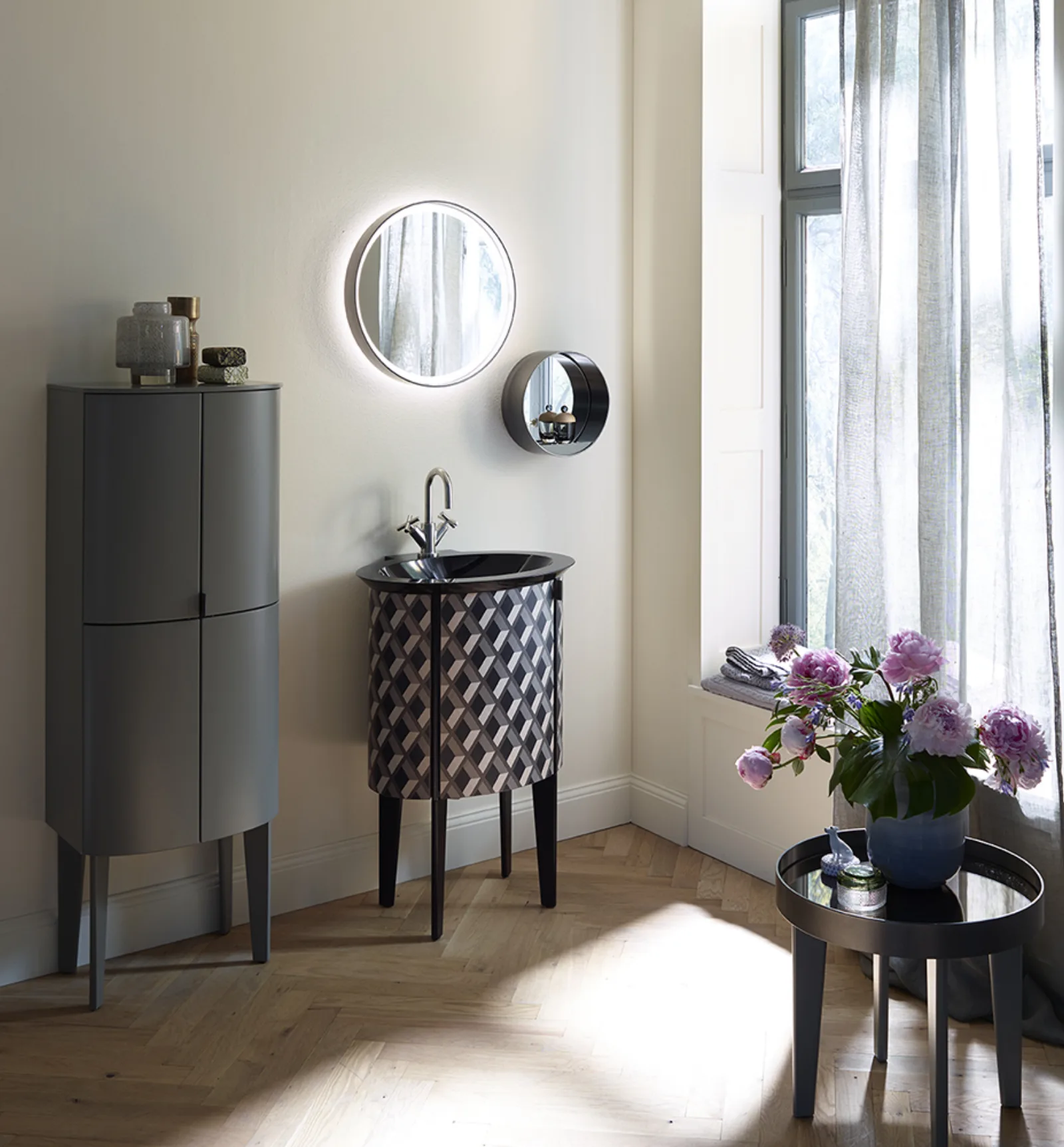
ALPIlignum veneer is a multi-laminated, sustainable real-wood veneer to the ISO 18775 standard. It unites the valued properties of wood with the advantages of defect-free, dimension-optimised industrial production. It is a composite veneer by the Italian company ALPI, which set new benchmarks in the world of veneers.
Thanks to the special production process, a consistent texture, colour and quality can be guaranteed under the defined article number for years. The base timbers – poplar, ayous and linden – come from responsibly managed forests or Italian tree farms (plantations).
The grown timber is freed from natural intergrowths, knots and colour defects through several processing steps and reassembled into a new solid timber block from which the ALPI veneers are knife-cut. By adjusting the colour or the texture-giving press mould and through multiple production runs, an almost unlimited design variety is achieved.
Real wood
A real-wood veneer is valued more highly by the end user than a wood reproduction made from paper or foil.
Consistent texture, colour and quality
Once an article is defined it is always produced identically. Even after years you will receive the same veneer from HWB under the defined article number.
Waste reduction
The standard widths of approximately 65 cm cover, for example, the full body width of a cabinet.
Unlimited availability
Even for rare species such as Makassar, rosewood, zebrano or root figure we guarantee your supply as required.
WYSIWYG
You receive exactly the surface you sampled or saw and selected in the showroom.
Cost savings on surface finishing
Changing the lacquer line when switching surfaces is eliminated because you can continue using the same lacquer system.
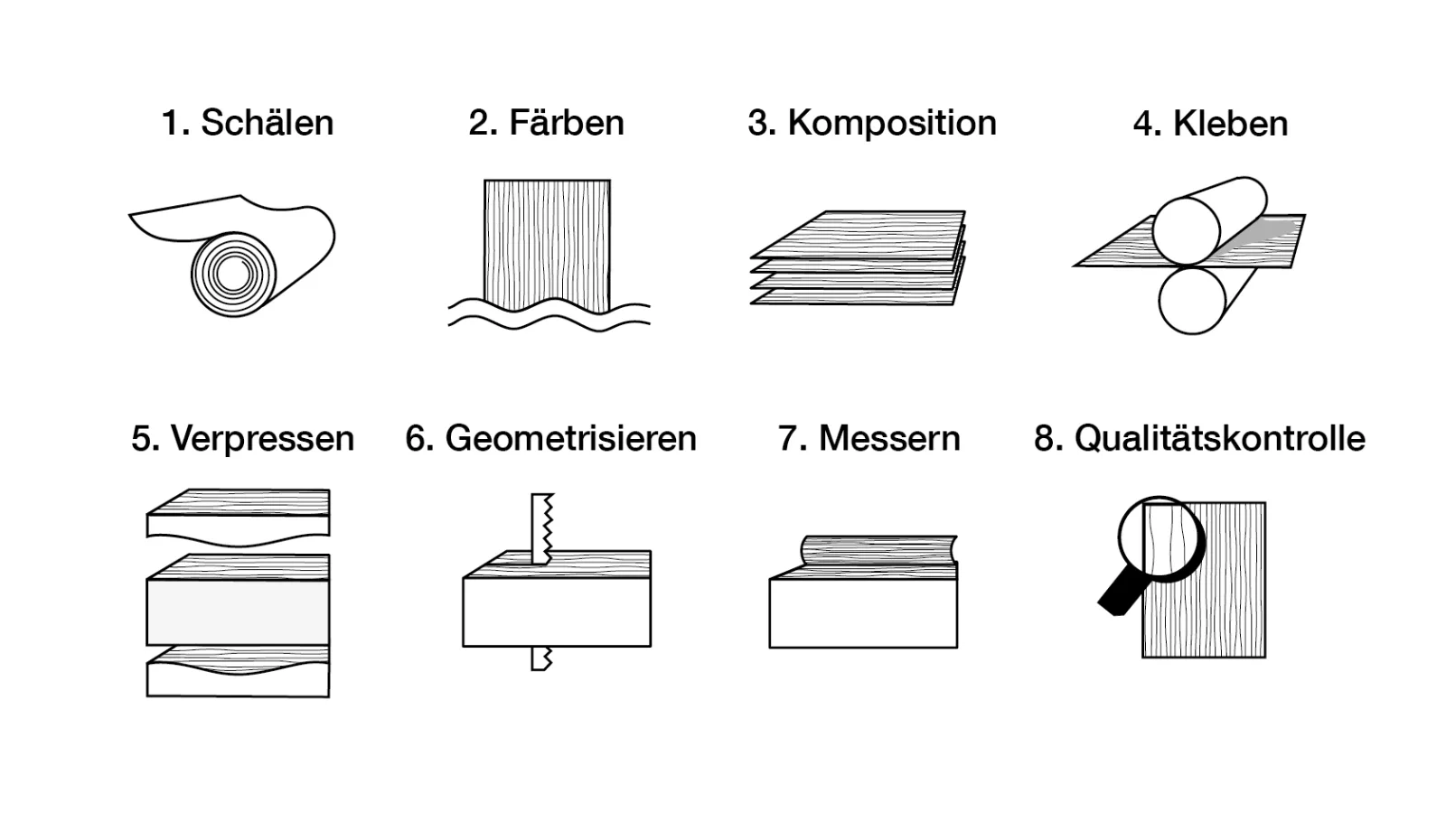
The grown timber is freed from natural intergrowths, knots and colour defects through several processing steps and reassembled into a new solid timber block. The ALPI veneers are then knife-cut from this block.
By adjusting the colour, the texture-giving press mould and through multiple production runs the veneer can be deliberately modified. This produces an almost unlimited design variety with high repeatability.
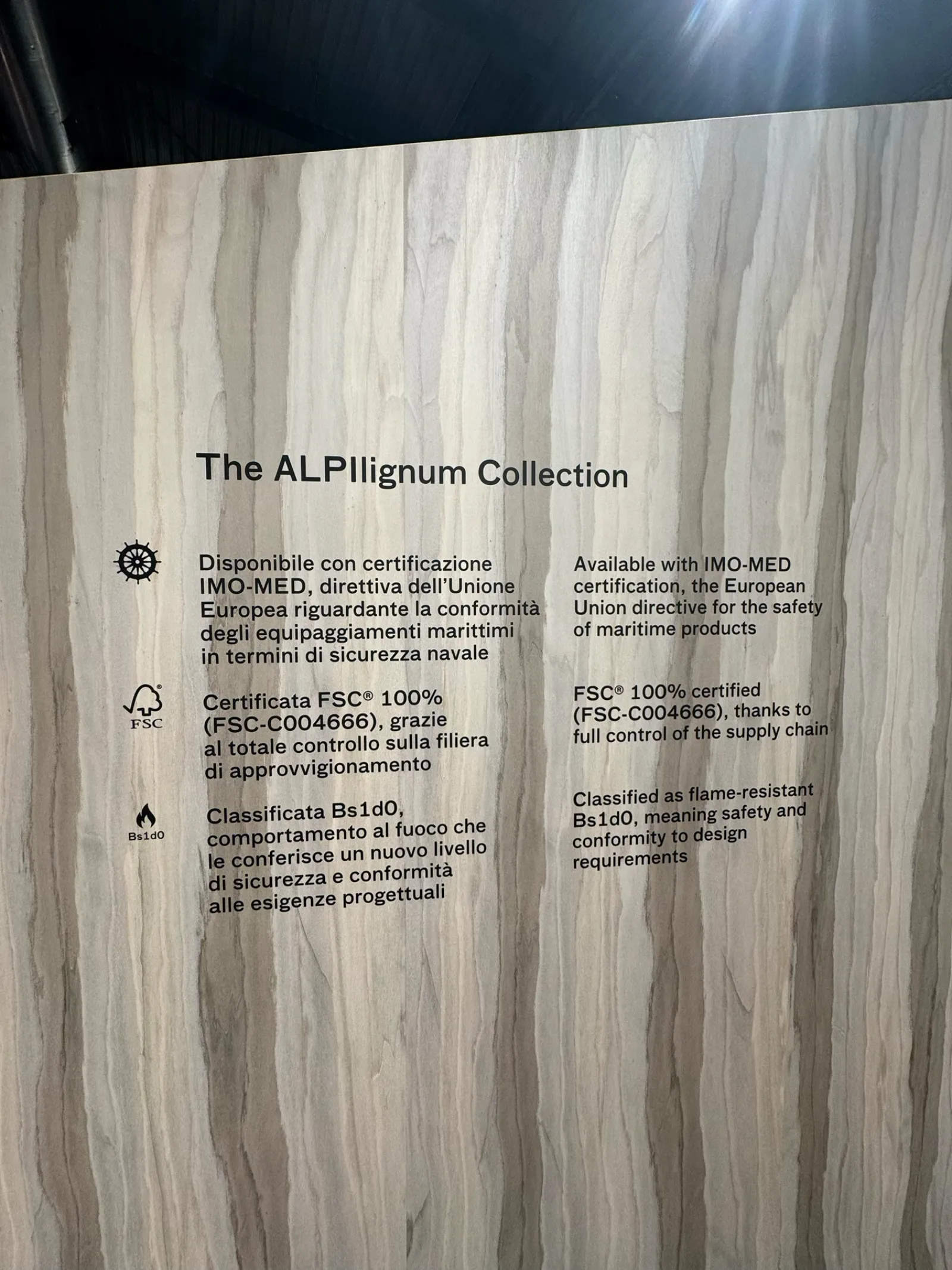
All ALPIlignum veneers in the collection, at a thickness of 0.58 mm — with the exception of fleece-backed versions — meet the B1 standard (Bs1-d0) and are therefore classified as flame-retardant under DIN 4102-1 and the European DIN EN 13501-1.
The B1 fire-resistance class under DIN 4102-1 covers "flame-retardant" building materials: once the ignition source is removed, the fire self-extinguishes. Since 2002, the European DIN EN 13501-1 has also applied, additionally assessing smoke development and burning droplets/particles — the two standards are not directly comparable. Certification is carried out exclusively by accredited testing institutes.
Internationally recognised market leader in the design and production of reconstructed knife-cut wood veneers.
Created by the Art Director of ALPI.
Learn more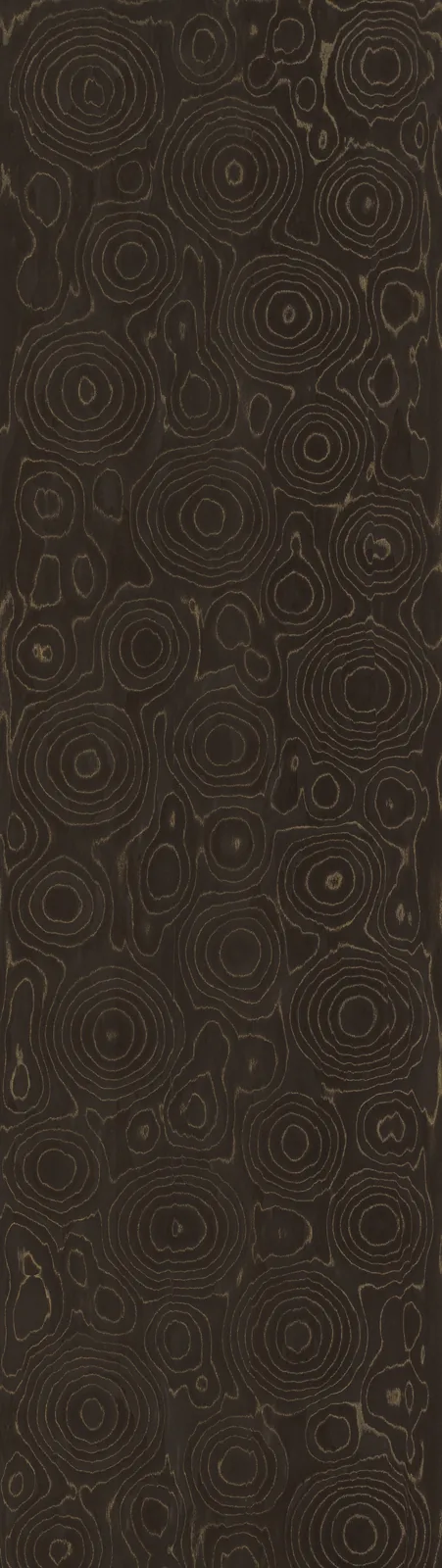
Between tradition and modernity.
Learn more
The geometry of the grid.
Learn more
Time for a change of perspective.
Learn more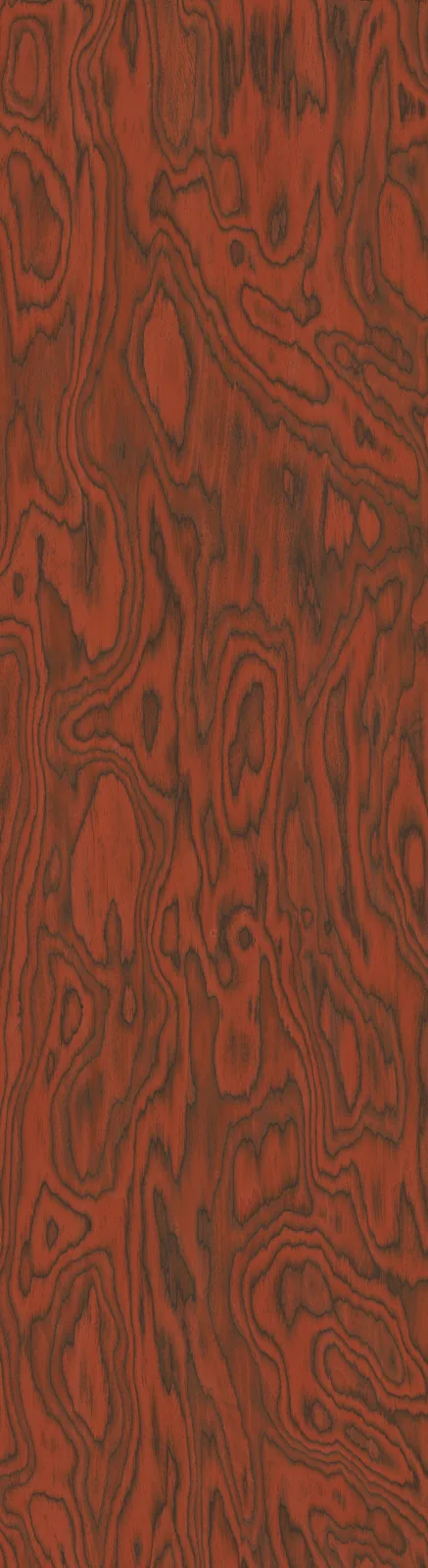
The classic of the 1980s.
Learn more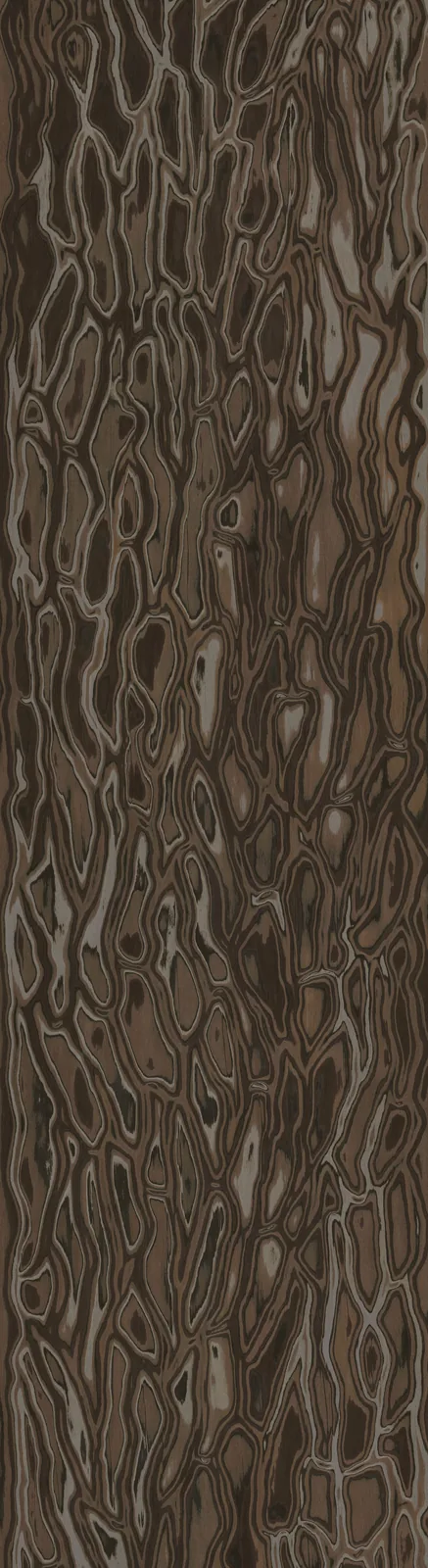
The power and rawness of nature.
Learn more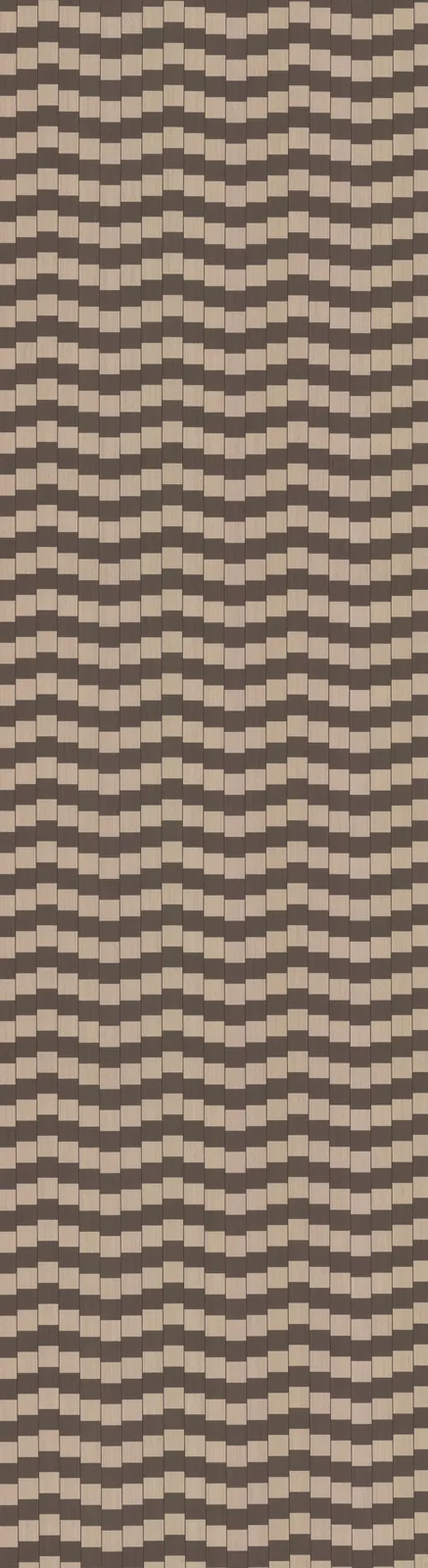
Draped fabric, translated into wood.
Learn more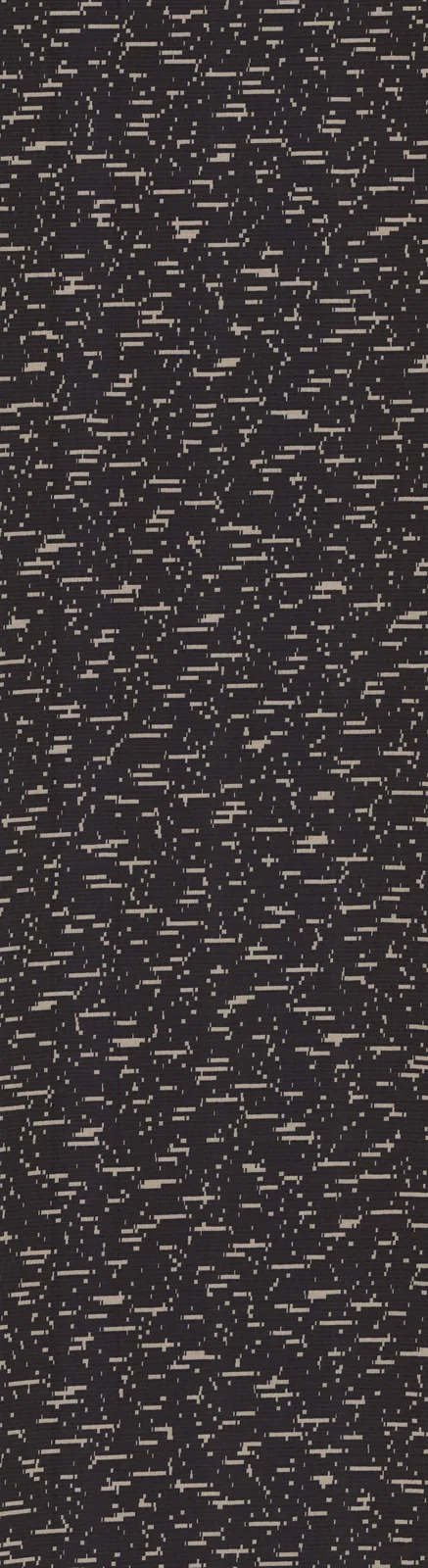
Scandinavian clarity, Italian sensibility.
Learn more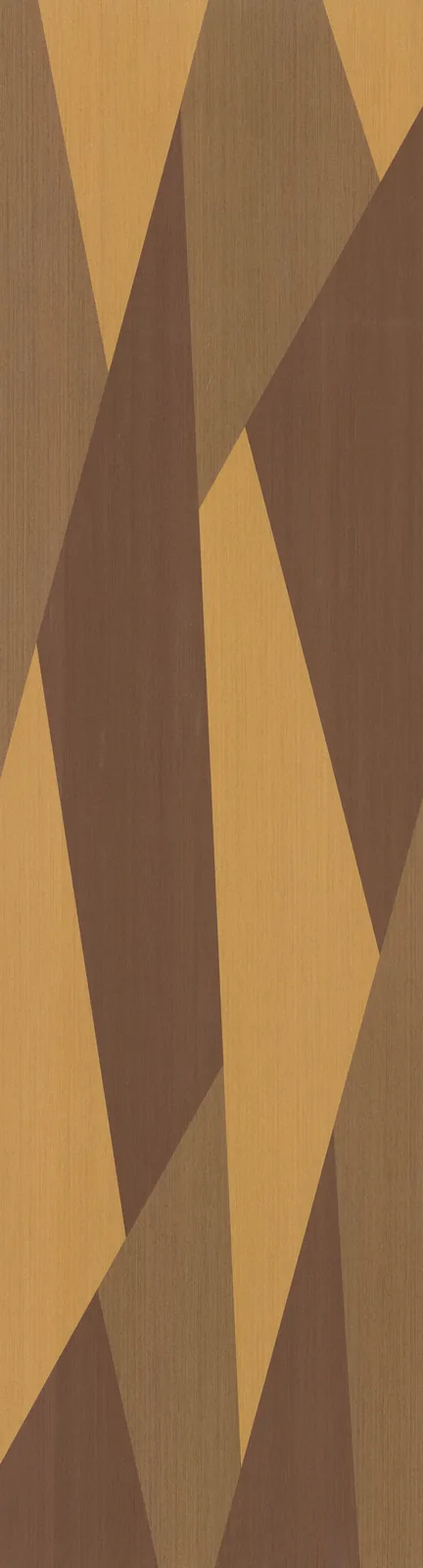
The square as a rhythmic game.
Learn more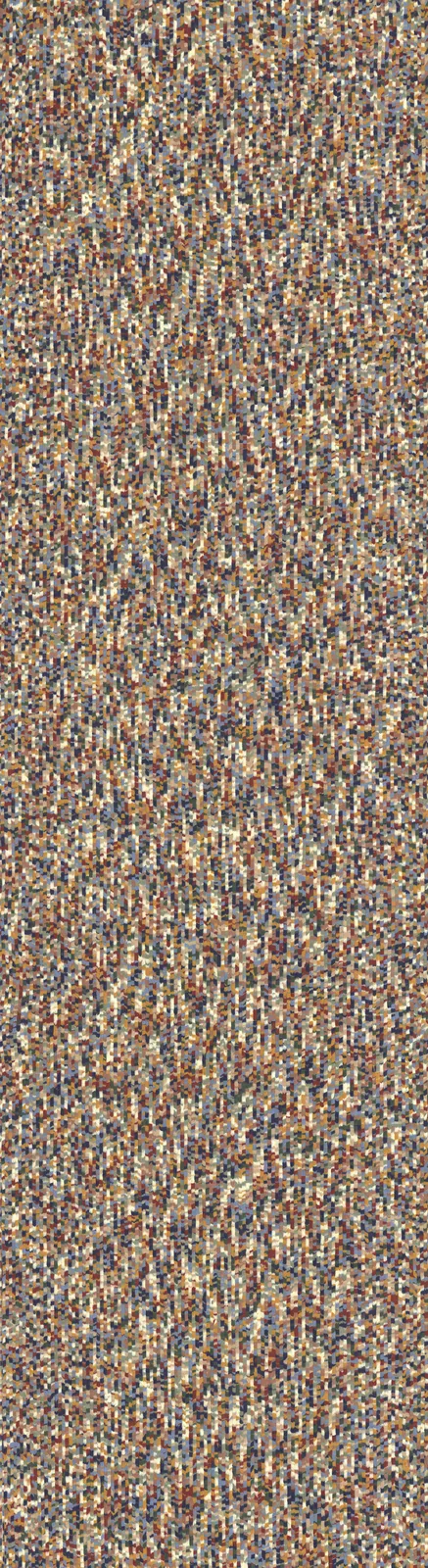
Pointillism in the grain.
Learn more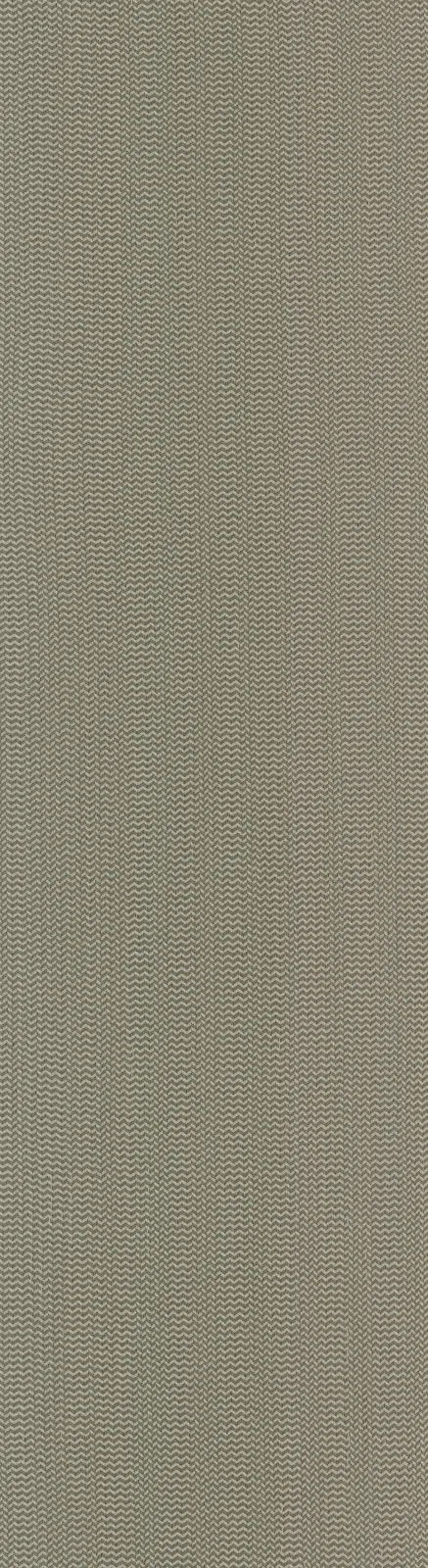
A delicate veil over the wood.
Learn more
Precise inlays, reduced in concept.
Learn more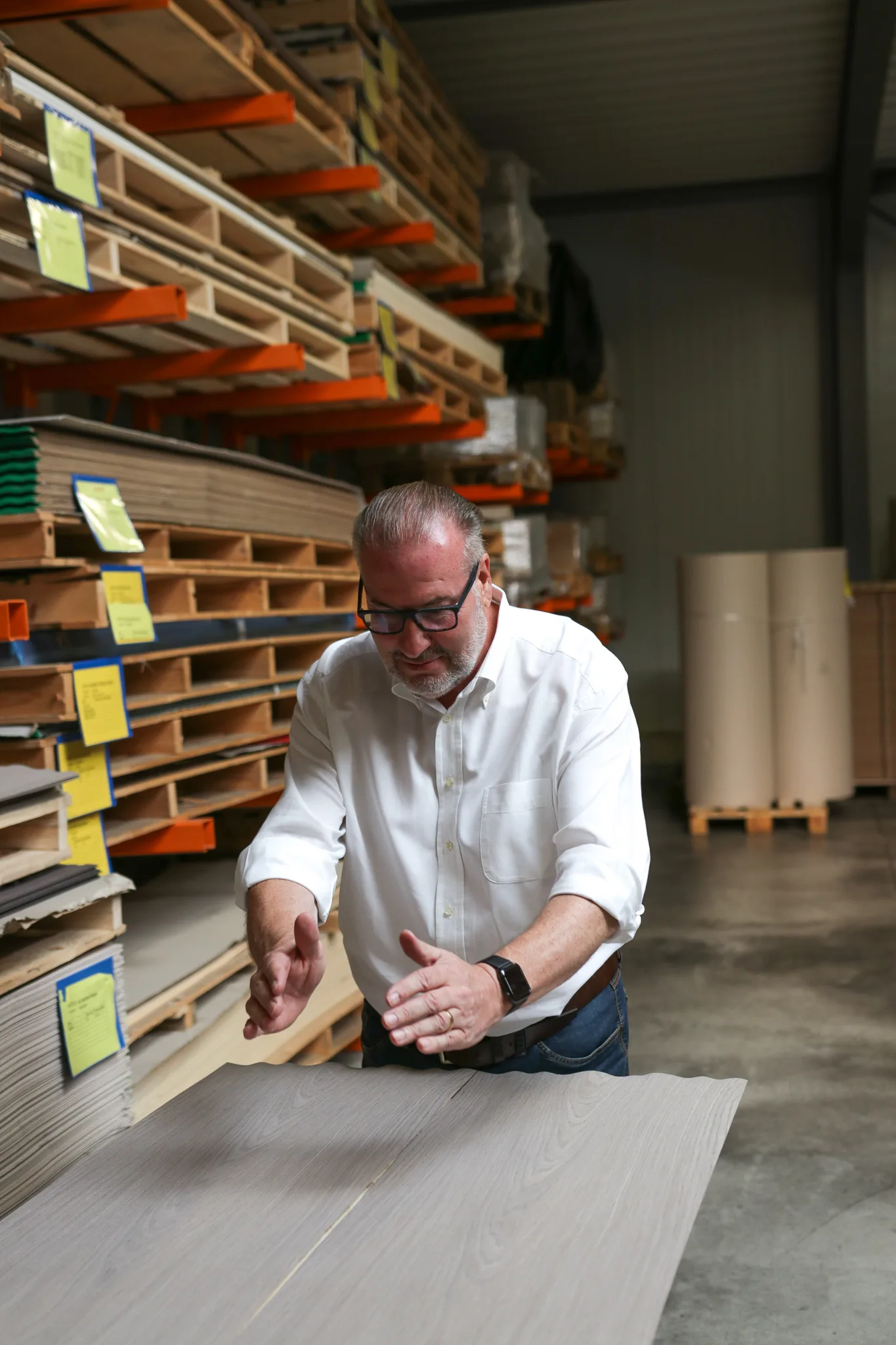
Sustainability
70–140 l CO₂/h
CO₂ bound per hour
The fast-growing poplar cleans the air; as a veneer the wood remains a carbon sink.
Through the use of timbers from plantations or controlled forestry, a careful approach to natural resources is ensured – fully in keeping with our environment. ALPI and the poplar have become inseparable. The properties of this timber from Italian cultivation met the industrial and production requirements of ALPI timber from the outset: homogeneity, consistency in colour and texture, and availability, coupled with excellent physical and mechanical properties. Like all fast-growing tree species, the poplar achieves remarkable results in air purification. It removes between 70 and 140 litres of carbon dioxide from the atmosphere every hour and releases the same volume of oxygen. The wood continues to act as a carbon sink after processing into ALPIlignum veneer.
The certification of ALPI SpA sources poplar timber from numerous small producers located in various areas of the Po Valley. These are cultures with a growth time of approximately 10–12 years, grown in rotation with other agricultural products such as grain. Since 2001 ALPI has – by creating a certified supply chain – guaranteed the Italian agricultural origin of all poplar timber used in the production of the multi-layer timber. This assures ALPI customers that the origin of the poplar timber used is known and controlled. Independent certification organisations issue a certificate for responsible forest management to forest operators, and a chain-of-custody certification to companies in the timber industry – a traceability system that provides information on the entire processing chain.
Next step
Open the product finder for colours, finishes and sample ordering.